

Diagram comparing a collar neck connection with a body-harness contact area

FOURPAW · WALKING MECHANICS

The leash line matters. Fit and handling matter too.

A connection point changes where leash tension enters the harness and the direction in which it acts. That can change the handler’s leverage, but it does not replace training, careful fitting or attention to the dog in front of you.

Connection changes force direction
Stable fit helps limit twisting
Handling and training still matter

Four parts of walking mechanics.

A practical framework for thinking about connection, contact, fit and handling.

Connection angle

Front and back rings place the leash line at different points on the harness.

Where tension enters

The attachment point affects where tension first enters the walking system.

Contact surface

Padding, webbing width and fit influence how contact is distributed across the harness.

Fit stability

A centered, correctly adjusted harness is less likely to rotate when the leash line changes.

Diagram comparing a collar neck connection with a body-harness contact area

A wider contact area changes the setup It does not make the outcome automatic

A collar applies leash tension around a relatively narrow area. A harness can spread contact across a wider part of the body, although the actual result depends on construction, adjustment, connection point and movement.

This is a general mechanical explanation, not veterinary advice or a claim that one setup is right for every dog.

  • Variables that change the result
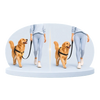
  • FourPaw front and back leash connection walking illustration
    Front or back leash connection
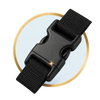
  • FourPaw one-click buckle illustration
    Harness shape and adjustment
  • Beagle with a measuring tape around the chest behind the front legs
    Dog size, proportions and movement
  • FourPaw quick-fit harness illustration
    Leash tension and handler timing
  • FourPaw front-connection walking illustration
    Training history and surroundings

Movement becomes tension. Tension follows geometry.

A simplified sequence for understanding why the connection point changes the feel of a walk.

The dog moves forward

Forward movement begins before the leash line becomes tight.

The leash line loads

As slack disappears, tension enters through the selected connection point.

Geometry changes the direction

A centered back connection follows the forward line more directly; an off-center front connection can encourage the torso to turn.

Handling shapes what follows

Leash technique, reinforcement, pace and the environment still influence the next movement.

The dog moves forward

Forward movement begins before the leash line becomes tight.

The leash line loads

As slack disappears, tension enters through the selected connection point.

Geometry changes the direction

A centered back connection follows the forward line more directly; an off-center front connection can encourage the torso to turn.

Handling shapes what follows

Leash technique, reinforcement, pace and the environment still influence the next movement.

Questions about walking mechanics

Practical answers about connection, fit and training.

Choose the connection. Then check the fit.

SafeWalk offers front and back leash points in one harness. The practical result still depends on adjustment, handling and the dog.